Solar Company in Multan: 2026 Energy Savings Guide
Choosing the right solar company in Multan is the single biggest factor in how much you actually save on electricity. Multan’s long, punishing summers mean rooftops here receive some of the richest sunlight in Pakistan, yet that same heat can quietly drag down a poorly specified system. This 2026 guide explains how to turn the region’s climate into an advantage and what separates a serious installer from a weekend reseller.
Across southern Punjab, households and agricultural businesses are switching to solar to escape unpredictable tariffs and frequent load shedding. The opportunity is real, but the results depend heavily on local design choices that a generic national quote simply ignores.
Why a Local Solar Company in Multan Matters
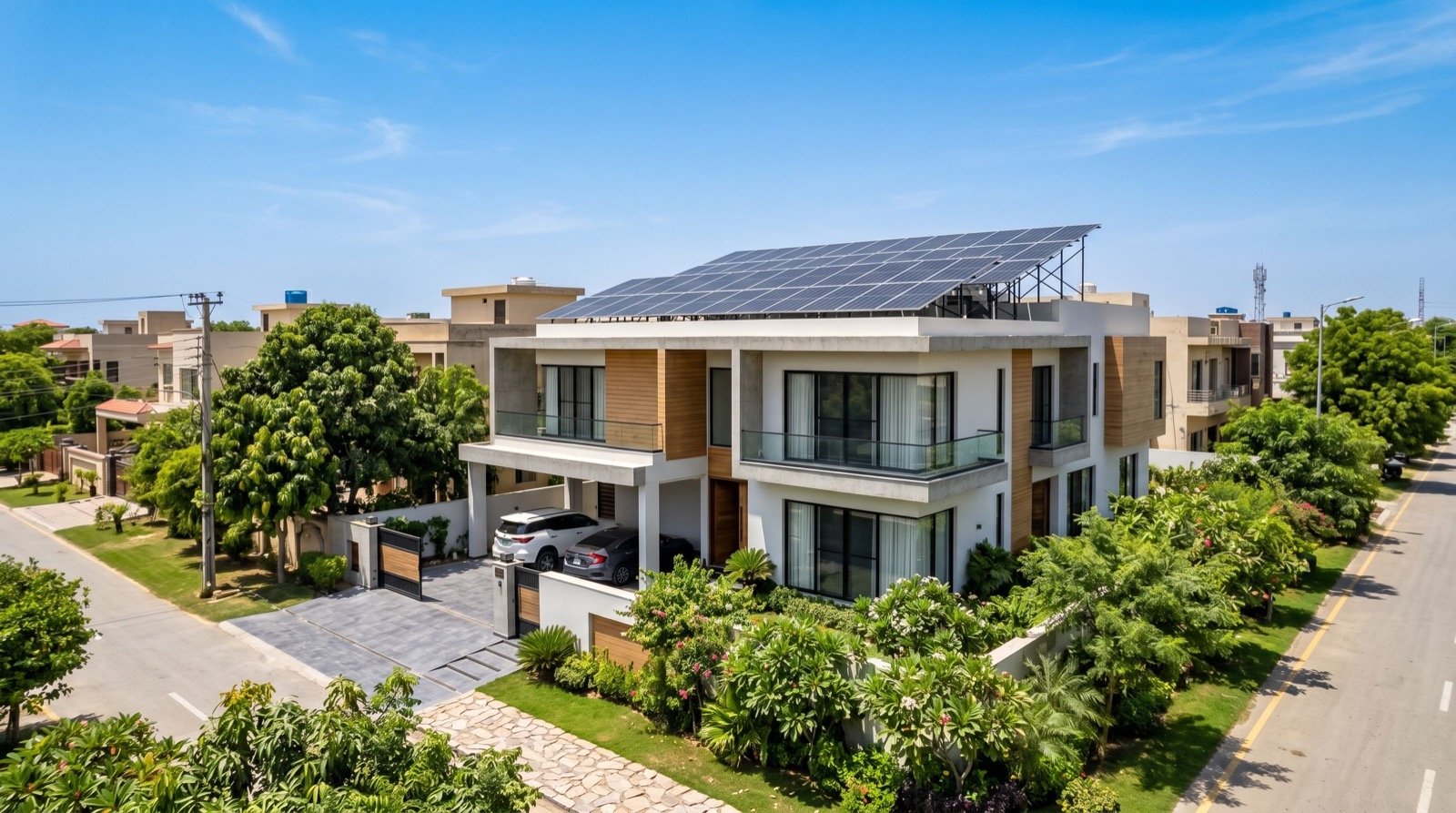
Solar hardware behaves differently in different climates. In Multan, panel temperatures routinely soar in June and July, and every module loses a little output as it heats up. A local installer specifies panels with a low temperature coefficient and leaves proper air gaps under the array so heat escapes instead of building up.
Dust is the second local factor. Fine particles settle on glass during the dry season and can shave several percent off daily yield if panels are never cleaned. An installer who knows the region designs for easy access so cleaning is quick rather than a rooftop adventure.
- Heat-aware design: correct panel selection and ventilation for 45°C-plus days.
- Dust management: tilt and layout that make routine cleaning simple.
- Fast local service: a technician who can visit within days, not weeks.
Working with an established solar company in Multan means these climate-specific details are baked into the quote instead of discovered painfully later.
How Multan Compares With Other Cities
It helps to see how the southern Punjab climate stacks up against the cooler north. The table below is a planning snapshot, not a laboratory figure, but it captures the practical trade-offs buyers weigh in 2026.
| City | Peak Summer Heat | Annual Sun Hours | Key Design Priority |
|---|---|---|---|
| Multan | Very high | Excellent | Heat tolerance & cooling |
| Bahawalpur | Very high | Excellent | Dust & ventilation |
| Islamabad | Moderate | Good | Monsoon tilt & drainage |
| Lahore | High | Good | Shading & smog cleaning |
The northern climate brings its own considerations. Buyers evaluating solar panels in Islamabad plan around monsoon rain and a steeper optimal tilt, while Multan buyers prioritise keeping a hot array running efficiently through the peak season.
What a Quality Installation Includes
A trustworthy quote reads like an engineering document, not a flyer. Before you sign, confirm the following are itemised and explained.
- Named components: exact panel and inverter models, not just “tier-1”.
- Structural mounting: wind-rated rails suited to open southern-Punjab plots.
- Net-metering support: the full application handled on your behalf.
- Written warranty: clear performance and workmanship terms.
- Commissioning report: proof the system performs as promised on day one.
Solar is a long-term asset, and the broader economics are well documented by the International Energy Agency, which tracks solar PV as the fastest-growing source of new electricity generation worldwide. That global momentum is exactly why component quality and warranties keep improving for local buyers.
Budgeting for the Payback
In Multan’s strong-sun environment, a correctly sized on-grid system often recovers its cost within three to five years, after which generation is effectively free for the remaining warranty life. The hotter climate means more generating days per year, which shortens payback compared with cloudier regions, provided the array is kept cool and clean.
When comparing relocation, renovation or fit-out budgets for a business, our network of reliable local experts can help you sequence a solar upgrade alongside other capital projects so cash flow stays comfortable.
Components Built for a Hot Climate
In southern Punjab, the inverter works in an environment that can test cheaper hardware to its limits. Rooftop and wall-mounted inverters endure high ambient temperatures, so they need proper shading, ventilation and a healthy power rating that is not run at its maximum limit all day. A sensible installer mounts the inverter in a cool, shaded spot rather than bolting it to a sun-baked wall as an afterthought.
Panel choice follows the same logic. Modules with a low temperature coefficient lose less output as they heat, which in Multan can translate into meaningfully more generation across the brutal summer months. The glass, the frame and the junction box all have to survive years of thermal cycling, so brand reputation and warranty terms genuinely matter here more than in cooler regions.
- Low-temperature-coefficient panels: hold output better in extreme heat.
- Well-ventilated inverter placement: shaded, airy, away from direct afternoon sun.
- UV-stable cabling and conduit: resists cracking under relentless sunlight.
- Robust earthing: protects against surges during summer storms.
Common Mistakes Buyers Make
The most expensive errors in southern Punjab are rarely about the panels themselves. They come from chasing the lowest headline price and discovering later that corners were cut on the parts you cannot see from the ground.
- Ignoring ventilation: a cramped array traps heat and quietly loses yield.
- Skipping the site survey: remote quotes miss shading and structural limits.
- No cleaning plan: dust buildup during the dry season erodes output.
- Undersized cabling: cheap wire wastes power and creates safety risks.
Avoiding these traps costs nothing but attention. A transparent installer will happily explain each decision, and that willingness to teach is itself a strong signal of quality.
Frequently Asked Questions
Does extreme summer heat damage solar panels in Multan?
Heat does not damage quality panels, but it temporarily reduces their output. A good installer counters this by choosing modules with a low temperature coefficient and leaving ventilation space beneath the array.
How often should panels be cleaned in southern Punjab?
During the dusty dry months, a gentle clean every few weeks keeps output high. After rain, panels often self-clean, so the schedule can relax in wetter periods.
Is net metering available in Multan?
Yes. On-grid systems can be connected to the local distribution company under the national net-metering framework, and a professional installer manages the paperwork and meter change for you.
What size system suits an average Multan home?
Many family homes with multiple air conditioners land on a 5 kW to 10 kW system, but the right figure always comes from reviewing your last twelve months of actual consumption.
Conclusion
The region’s abundant sunshine makes a solar company in Multan one of the smartest investments a homeowner or business can make in 2026, as long as the design respects local heat and dust. Insist on named components, a real warranty and local service, and your rooftop becomes a decades-long shield against rising power costs. Book a site survey this season and start generating your own electricity before the next tariff increase lands.